

Economic Times Highlights EB-5 Visa Filing Deadline for U.S. Green Card Investors
The Economic Times has reported on a key planning window for Indian families considering the U.S. EB-5 Immigrant Investor Program. The report explains why September 30, 2026 is an important filing deadline for investors who want to apply under the current EB-5 framework.
For high-net-worth families, H-1B professionals, students on F-1 visas, and investors planning long-term U.S. settlement, the deadline is not only about filing early. It is also about preparing funds, documents, project due diligence, and family timelines with care.
Why September 30, 2026 Matters
According to the Economic Times report, investors who file before September 30, 2026 may be able to lock in the current filing framework, including the present investment structure and key eligibility standards.
The report notes that missing this window may expose applicants to future changes in the EB-5 rules, including higher investment thresholds and uncertainty around program reauthorization.
Possible EB-5 Investment Threshold Increase
The report highlights that the current reduced investment threshold for qualifying projects is USD 800,000. It also states that a statutory inflation adjustment is expected from January 1, 2027, which may increase the rural project threshold to around USD 900,000 or more.
For standard urban projects, the report refers to a possible increase from USD 1,050,000 to around USD 1.2 million, depending on the final adjustment and project category.
This makes early financial planning important for applicants who are preparing capital through property sale proceeds, family business income, gifts, inheritance, stock compensation, or other documented sources.
XIPHIAS Immigration MD Quoted in the Report
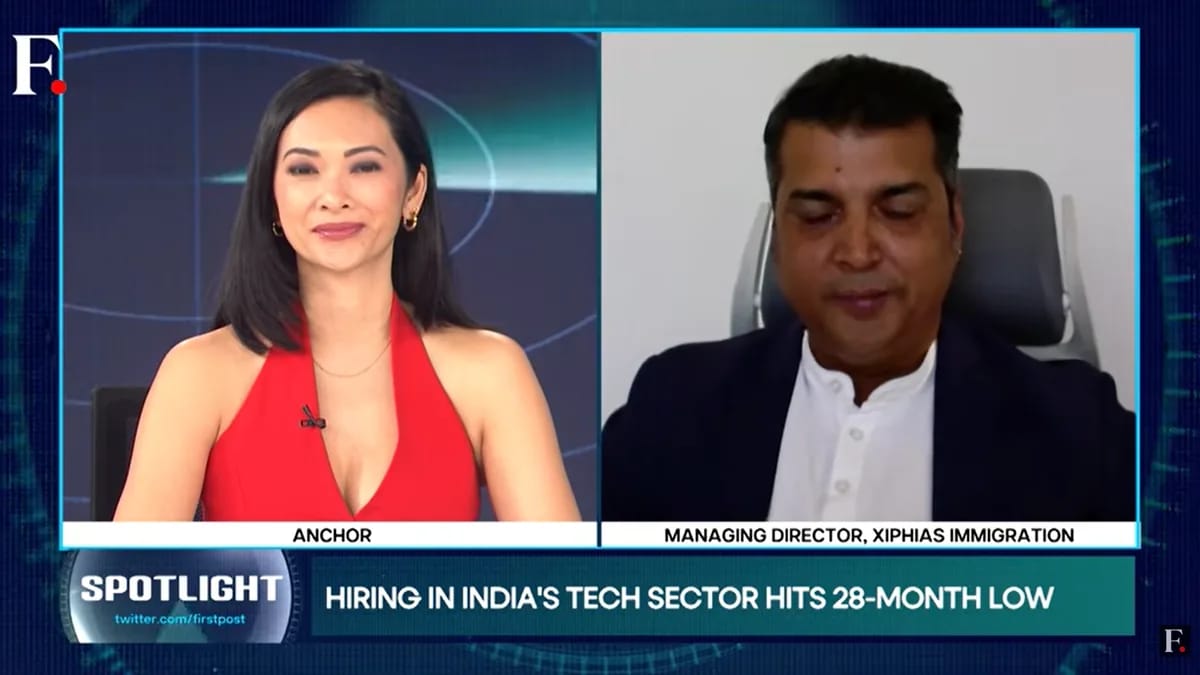
The Economic Times article also quotes Varun Singh, Managing Director, XIPHIAS Immigration, on the cost of uncertainty for high-net-worth families.
His view reinforces an important point: for investor immigration, policy uncertainty can affect not just timelines, but also family planning, education decisions, investment strategy, and long-term relocation goals.
Documentation Has Become a Critical Step
For EB-5 applicants, the source and path of funds are closely reviewed. The report explains that documentation preparation may now take 60 to 90 days, especially for investors who must trace funds across older assets and multiple financial events.
Indian applicants may need to prepare records related to:
- Property purchase and sale history
- Sale deed and payment trail
- Capital gains tax records
- Business income and dividends
- Gift or inheritance documentation
- RSUs, ESOPs, and stock compensation
- Bank statements and remittance records
- Passport, marriage, education, employment, and visa records
Because India has a Liberalised Remittance Scheme (LRS) limit of USD 250,000 per individual per financial year, families may also need structured remittance planning across family members and financial years.
Project Selection Red Flags
The Economic Times report warns that deadline pressure can lead investors into weak or poorly structured projects. EB-5 is not a guaranteed-return product, and investors should be careful before committing capital.
Key red flags include:
- Claims of guaranteed returns or guaranteed green cards
- Pressure to wire funds before immigration attorney review
- Undeveloped land with no operating record or market proof
- Regional centers with no completed project track record
- Weak job-creation buffer above the minimum requirement
- No independent fund administrator
- Poor investor protection or unclear exit strategy
The article makes it clear that project quality, sponsor credibility, job creation evidence, and capital preservation strategy are essential parts of EB-5 due diligence.
Rural and High-Unemployment Projects
The report notes that many Indian investors are now looking closely at rural and high-unemployment area projects because these may offer the lower investment threshold and priority processing advantages.
However, rural project selection should not be rushed. Investors should review the sponsor profile, economic impact report, job-creation cushion, existing operations, capital stack, fund administration model, and exit strategy before making a decision.
What Indian Families Should Do Now
Families considering EB-5 should start early rather than waiting until the final deadline period. A strong application requires coordination between immigration counsel, financial advisors, tax professionals, documentation teams, and the selected EB-5 project.
Applicants should focus on:
- Eligibility review
- Family immigration goals
- Source-of-funds documentation
- Tax and remittance planning
- Project due diligence
- Filing timeline strategy
- Risk assessment before investment
XIPHIAS Immigration Advisory Note
EB-5 remains a significant immigration and investment decision. It should not be approached as a last-minute transaction or as a guaranteed visa product.
XIPHIAS Immigration helps families evaluate U.S. investor immigration options with structured advisory, documentation support, and program guidance tailored to long-term mobility goals.
If you are planning a U.S. Green Card route through EB-5, begin your review early and make every decision only after legal, financial, tax, and immigration due diligence.