

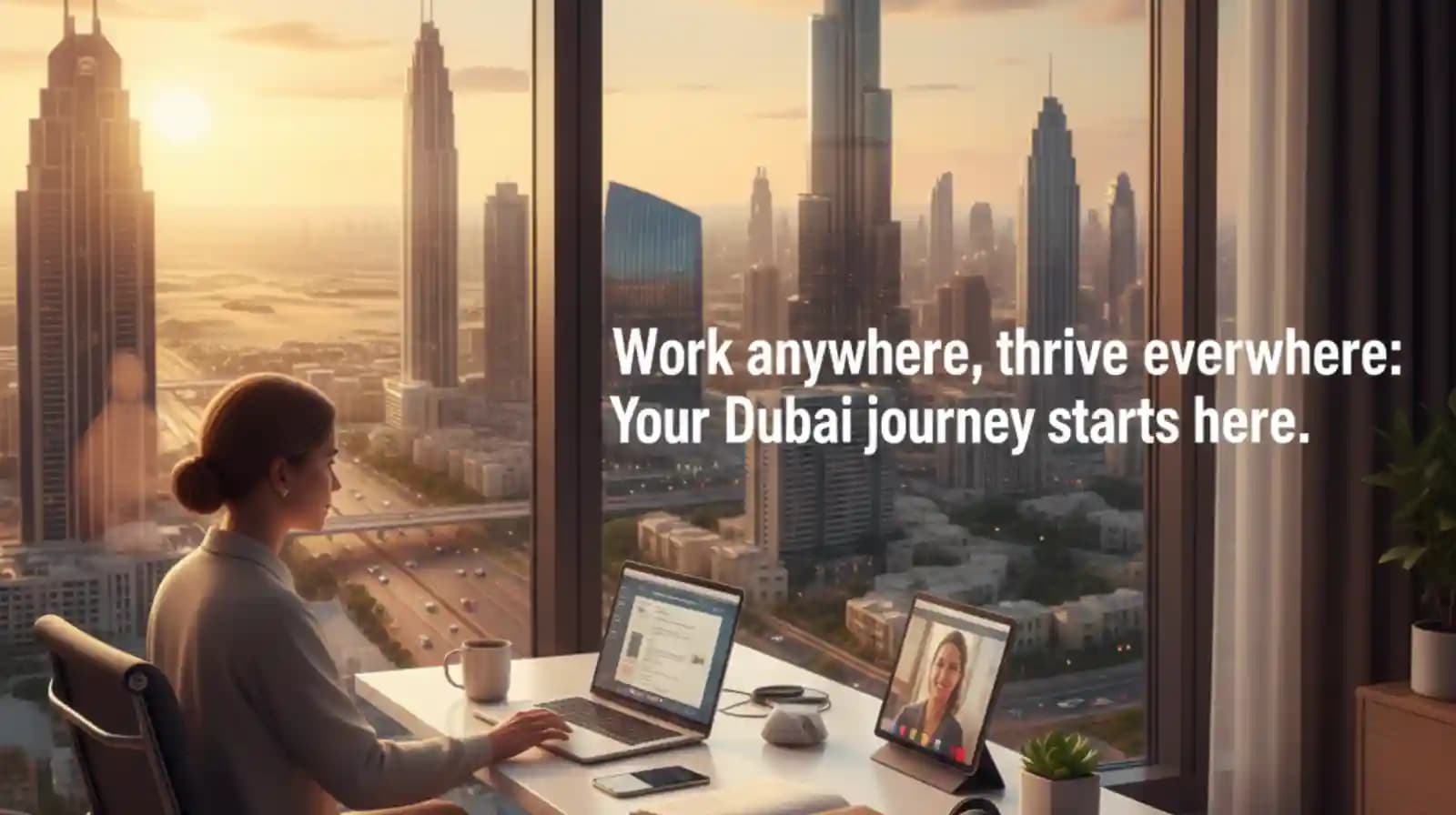
Remote work has changed how professionals choose where they live. Today, it’s no longer about relocating for a job—it’s about finding a country that supports flexibility, financial efficiency, and long-term stability.
Dubai has entered this conversation seriously. With its Digital Nomad and Remote Work residency options, the city is positioning itself as a global base for remote professionals. But while headlines make it sound simple, the reality is more nuanced.
For some, Dubai is an excellent choice.
For others, it can become an expensive and frustrating decision.
This guide will explain what Dubai’s digital nomad residency really offers and help you decide whether it fits your personal and professional goals.
Why Dubai Is Attracting Digital Nomads in the First Place
Dubai isn’t trying to compete with low-cost nomad hubs. Its strategy is different.
The city focuses on attracting financially stable, skilled remote professionals who can contribute to its economy without taking local jobs. That’s why residency incentives emphasize income thresholds, professional credibility, and long-term retention, rather than short-term tourism-style visas.
This reflects a broader goal: positioning Dubai as a professional base, not just a temporary lifestyle destination.
Understanding the Dubai Digital Nomad (Remote Work) Visa
Dubai’s Remote Work Visa allows foreign professionals to live in the UAE while working for employers or clients outside the country.
What the Visa Allows
- Legal residency in Dubai
- Ability to work remotely for non-UAE companies
- Access to housing, banking, utilities, and local services
- Renewable validity (typically one year)
What It Does Not Offer
- Local employment rights
- Permanent residency
- Automatic long-term security without renewal planning
This visa is for professionals with stable remote income, not for those experimenting with freelancing or nomadic work.
Income Requirements: A Key Decision Filter
One of the most discussed aspects of Dubai’s digital nomad residency is the minimum income requirement.
This requirement ensures applicants:
- Can comfortably support themselves in Dubai
- Have consistent, reliable earnings
For established remote employees and experienced freelancers, this threshold is manageable. For early-stage freelancers or seasonal earners, it can become a challenge—especially combined with Dubai’s cost of living.
Understanding this early prevents wasted applications and unrealistic expectations.
Is Dubai the Right Choice for You? A Quick Self-Check
Dubai works best if you:
- Have a stable monthly income
- Value infrastructure, safety, and global connectivity
- Prefer structured systems rather than informal nomadic living
- See Dubai as a medium-to-long-term base
Dubai may be less suitable if you:
- Are highly cost-sensitive
- Rely on low monthly living expenses
- Prefer flexible, unstructured nomad environments
This isn’t about right or wrong—it’s about alignment.
The Cost Reality: Living in Dubai as a Digital Nomad
Dubai offers exceptional infrastructure—but it comes at a price. Many newcomers underestimate this.
Key Cost Areas to Consider
- Housing: Rental deposits, upfront payments, and quality expectations
- Health insurance: Mandatory and often higher than expected
- Daily living: Transport, dining, and lifestyle costs
- Lifestyle inflation: Dubai encourages higher spending
Dubai is tax-efficient, but not a low-cost destination. Professionals who plan realistically tend to thrive. Those relying on optimistic budgeting often struggle.
Short-Term Remote Work Visa vs Long-Term Residency Options
A common mistake among remote professionals is treating the Remote Work Visa as the final goal—it’s often a starting point.
When the Remote Work Visa Makes Sense
- Testing life in Dubai
- Working independently without long-term relocation plans
- Needing flexibility without deep commitments
When Long-Term Residency Is a Better Option
- Planning to stay beyond one or two years
- Wanting stability for family, schooling, or business
- Preferring fewer renewals and administrative cycles
Dubai’s Golden Visa and Green Visa pathways are increasingly relevant for digital professionals, freelancers, and entrepreneurs who meet eligibility criteria. These options provide longer validity and peace of mind for those ready to commit.
Dubai vs Other Digital Nomad Destinations
Dubai is often compared with European, Asian, and island-based nomad hubs—but these comparisons can be misleading.
Dubai is not positioning itself as:
- The cheapest destination
- A backpacker-friendly hub
- A short-term escape
Instead, Dubai competes with:
- Tax-efficient jurisdictions
- Global financial and business centres
- Countries offering long-term residency security
For high-income remote professionals, this distinction matters more than lifestyle trends.
Common Mistakes Remote Workers Make Before Moving to Dubai
Based on real-world experiences, common missteps include:
- Choosing the wrong visa category
- Underestimating initial setup costs
- Assuming remote work residency equals permanent residency
- Not planning an upgrade path from short-term to long-term visas
Avoiding these mistakes requires planning before applying, not after arriving.
When Dubai Makes Sense and When It Doesn’t
Dubai’s digital nomad and remote work residency options are not one-size-fits-all. They are designed for professionals who bring stability, skills, and long-term value.
If your income is stable, your goals are clear, and you see Dubai as more than a temporary stop, the city can offer an exceptional professional base.
If not, alternative destinations may be more suitable—and that’s perfectly valid. The key is choosing the right residency path from the beginning.
Thinking About Dubai as a Remote Professional?
Selecting the right visa depends on income structure, long-term plans, and personal priorities. Taking expert guidance before applying can help you avoid unnecessary costs and ensure your Dubai move is structured correctly from day one.