
Visa interview rescheduling triggers fresh uncertainty for H-1B workers
Expanded online vetting slows interview scheduling, disrupting plans for workers and companies alike
XIPHIAS Editorial Desk
Updated - December 10, 2025 at 08:46 PM IST
Publisher: The Hindu BusinessLine
XIPHIAS point of view
This isn’t just “one more delay”—it’s a structural capacity + compliance shift that affects both workers and employers.
What we advise immediately:
- Build buffer timelines (don’t lock flights/joining dates around one interview slot).
- Keep DS-160/petition details and public online profiles consistent (role, employer, location, dates).
- Employers should plan remote bridging / interim allocation where possible.
- Have a Plan B timeline if consular scheduling slips into the next quarter.
Useful internal links:
- Book a consult: /personal-booking
- Green Card pathway context: /articles/american-green-card-pathways-2024
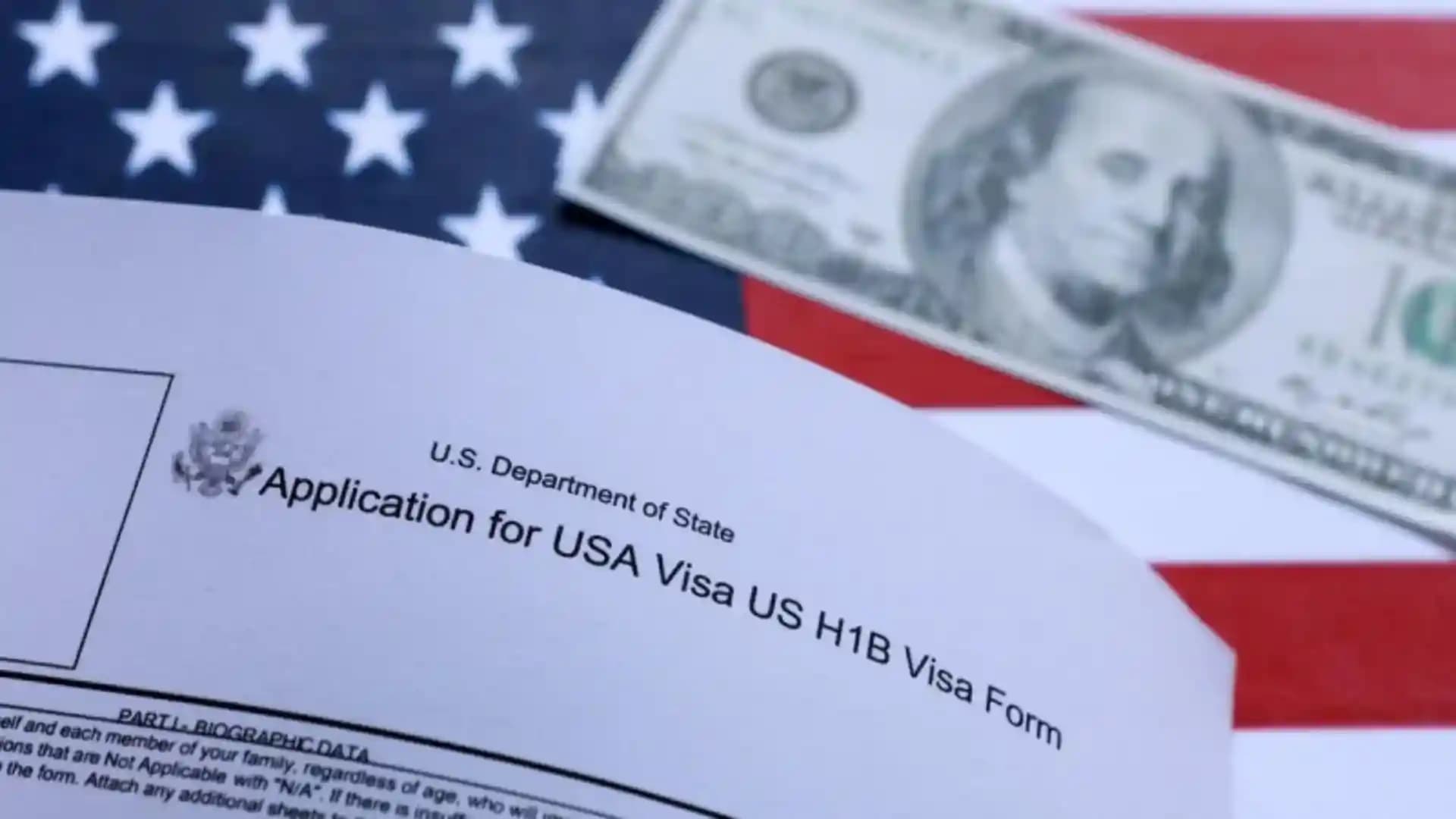
According to a US Embassy spokesperson, the Department of State (DOS) vets all visa applicants, including an online presence. According to a US Embassy spokesperson, the Department of State (DOS) vets all visa applicants, including an online presence. | Photo Credit: Dado Ruvic
Sachin (name changed), an IT professional with an H-1B visa interview originally set for December, said he received an email notifying him that the appointment has been postponed to March. “I completed my biometrics and was preparing for the interview. I’m now waiting to hear from my employer,” he said.
Similarly, many H-1B applicants are now facing uncertainty after the US Embassy in India announced rescheduling of visa interviews, following last week’s decision to extend mandatory online-presence reviews to all H-1B applicants and their dependents, requiring them to make their social-media profiles public as part of enhanced national-security vetting.
Security review
According to a US Embassy spokesperson, the Department of State (DOS) vets all visa applicants, including an online presence review of all student and exchange visitor applicants in the F, M, and J nonimmigrant classifications. Beginning December 15, it is expanding the review to all speciality occupation temporary worker (H-1B) visa applicants and their H-4 visa dependents.
“In every visa case, we will take the time to ensure an applicant does not pose a risk to the safety and security of the U.S. and that he or she has credibly established his or her eligibility for the visa sought, including that the applicant intends to engage in activities consistent with the terms of admission. The DOS regularly shifts appointments as needed to match resource availability. We will communicate any changes directly to affected visa applicants,” they stated.
Processing delays
This stricter online vetting process has slowed down interview scheduling, with an immediate impact on applicants, observed Varun Singh, MD, XIPHIAS Immigration. When interviews are postponed, joining dates, travel plans, and relocation timelines get pushed back. Candidates who have completed other steps are waiting without clarity.
For employers, the delay creates operational challenges. Companies plan project starts and team allocations around the arrival of skilled workers. Even a few weeks of uncertainty forces them to adjust timelines, redistribute work internally, or depend on interim staffing.
These sudden notifications of delayed visa processing may not be accepted, Ritika Gupta, CEO & Counsellor, Aaera Consultants, highlighted. “Some candidates have quit their jobs in their home countries, changed their place of residence, or incurred financial obligations to join their U.S. employers. The move at the interview stage may result in the loss of income, visa expiration risks, or even withdrawal of job offers if the deadlines for the projects are missed.”
Ashwini Kumar, Advocate & Founder, My Legal Expert (MLE), explained that this move is a structural overhaul aimed at the large base of the Indian talent pool entering the US.
Indian IT firms are already seeing fewer new H-1B approvals and a move away from onsite-heavy models. In the short term, this may slow project ramp-ups and increase costs. Over time, companies may deepen offshore or GCC-region delivery, increase U.S. local hiring, and reserve H-1Bs for high-value, niche roles requiring onsite presence.
“The requirement of revealing one’s past social media activity increases the anxiety of invasion of privacy and the possibility of subjective interpretation, while there is no corresponding increase in procedural transparency or appeal mechanisms,” she said.
With inputs from Amiti Sen in New Delhi